Why Early Mold Detection Matters for Health in Santa Barbara
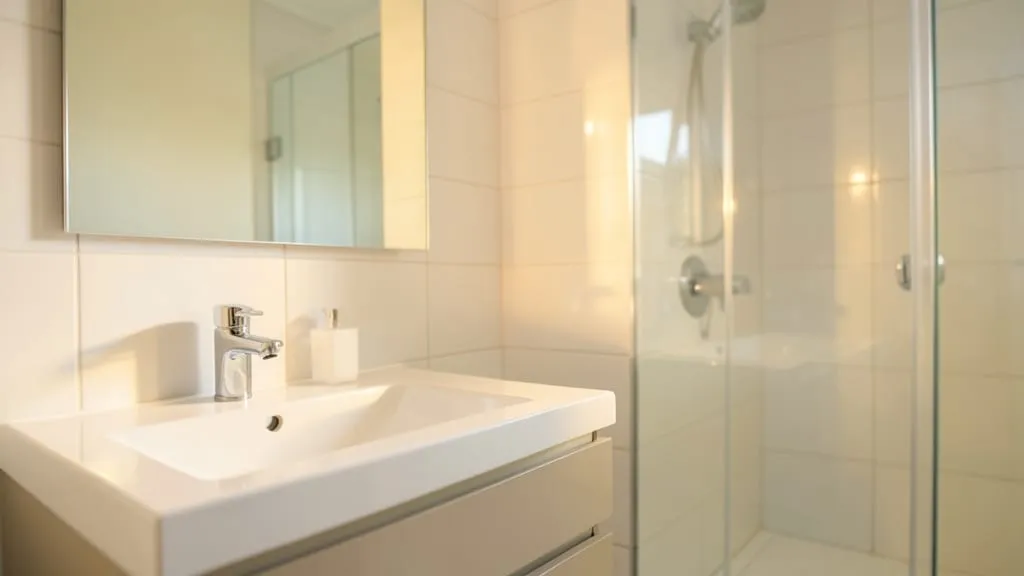
Mold thrives in Santa Barbara’s mild, humid climate, often going unnoticed until it becomes a health hazard. Early detection can prevent respiratory issues, structural damage, and costly remediation. Recognizing the first signs is key to protecting both well-being and property.
How Mold Grows in Coastal Climates
Santa Barbara’s proximity to the Pacific creates consistent moisture in the air, a prime condition for mold growth. Even minor water intrusion from roof leaks or plumbing issues can accelerate spore development.
Coastal homes often face higher humidity indoors, especially in poorly ventilated areas like basements, crawl spaces, and bathrooms. Without proper airflow, mold colonies can establish within 24–48 hours of moisture exposure.
Seasonal fog and marine layer events increase indoor dampness, particularly in neighborhoods like Mission Canyon or Isla Vista. These microclimates demand vigilant moisture control.
Health Risks of Undetected Mold
Exposure to mold spores can trigger allergies, asthma attacks, and chronic sinusitis. Mycotoxins produced by certain molds, like Stachybotrys, pose more severe risks, including neurological and immune system effects.
Children, the elderly, and those with compromised immune systems are especially vulnerable. Symptoms often mimic common colds—sneezing, coughing, or itchy eyes—making mold easy to overlook.
Long-term exposure may lead to persistent respiratory conditions. In Santa Barbara, where indoor-outdoor living is common, open windows can exacerbate spore circulation if mold is present.
A persistent musty smell is a red flag for hidden mold. Even if no visible growth appears, this odor indicates active spores. Ignoring it risks wider contamination.
Early Signs of Mold in Your Home
Visible discoloration on walls, ceilings, or floors—often black, green, or white—signals mold. Pay attention to areas around windows, pipes, and under sinks, where leaks are common.
Peeling paint or wallpaper, warped drywall, and bubbling surfaces suggest moisture buildup beneath. These are indirect but reliable indicators of potential mold growth.
Unexplained health symptoms that improve when away from home can point to indoor mold. Track patterns: if coughing or headaches subside at work or on vacation, an inspection may be warranted.
Common Mold Hotspots in Santa Barbara Homes
Attics often trap heat and moisture, especially in older homes with inadequate ventilation. Roof leaks or missing insulation can create ideal conditions for mold to spread across wood framing and sheathing.
Crawl spaces in Goleta or Carpinteria homes frequently suffer from poor drainage or vapor barriers. Standing water or damp soil beneath the house accelerates mold and can seep into living areas.
Bathrooms and kitchens are high-risk due to frequent water use. Grout lines, under-sink cabinets, and behind appliances are prime locations. Laundry rooms with poor ventilation also rank high.
| Area | Primary Risk Factors | Detection Tips |
|---|---|---|
| Attic | Roof leaks, poor ventilation, condensation | Check for water stains, musty odors, or discolored insulation |
| Crawl Space | High humidity, standing water, lack of vapor barrier | Inspect for damp soil, wood rot, or visible growth on joists |
| Bathroom | Leaky pipes, poor exhaust, constant moisture | Look behind toilets, under sinks, and in shower grout |
| HVAC System | Condensation in ducts, dirty filters, poor maintenance | Replace filters regularly; check ducts for dark streaks |
| Basement | Flooding, seepage, inadequate drainage | Monitor for water intrusion after heavy rains or fog events |
Local Triggers: Santa Barbara’s Unique Challenges
The region’s marine layer brings moisture that lingers indoors, particularly in homes without dehumidifiers. Morning fog can deposit dampness on surfaces, promoting mold growth on windowsills and exterior walls.
Aging infrastructure in areas like Montecito or Summerland may include outdated plumbing or roofing. Older pipes are prone to slow leaks, while worn shingles allow water to seep into attics undetected.
Post-wildfire rebuilds or renovations sometimes overlook moisture barriers. New construction in Santa Barbara must account for both fire resistance and mold prevention, especially in crawl spaces and wall cavities.
When to Call a Professional for Mold Testing
If mold covers an area larger than 10 square feet, professional testing is advisable. DIY kits may miss hidden colonies or fail to identify toxic strains like black mold.
Recurring mold after cleaning suggests an underlying moisture issue. A specialist can use thermal imaging or moisture meters to locate the source, whether it’s a pipe leak or poor ventilation.
Before purchasing a home in Santa Barbara, a pre-sale mold inspection can uncover hidden problems. Sellers may also opt for clearance testing post-remediation to verify the work.
Surface tests from hardware stores can confirm mold presence but won’t measure air quality or spore counts. For comprehensive results, lab analysis of air samples is more reliable.
Preventing Mold Before It Starts
Controlling humidity is the first line of defense. In Santa Barbara, aim for indoor levels between 30–50%. Dehumidifiers in basements or crawl spaces and exhaust fans in bathrooms help maintain this range.
Regular maintenance prevents water intrusion. Inspect roofs, gutters, and downspouts annually, especially before the rainy season. Ensure downspouts direct water at least 5 feet from the foundation.
Improving airflow reduces moisture buildup. Open windows when weather permits, use ceiling fans, and avoid blocking vents with furniture. In tight spaces like closets, consider moisture absorbers.
Mold Prevention Checklist for Coastal Homes
- Install and maintain exhaust fans in bathrooms and kitchens
- Use dehumidifiers in basements, crawl spaces, and laundry rooms
- Seal gaps around windows and doors to prevent condensation
- Inspect plumbing and appliances for leaks every 6 months
- Clean and dry water-damaged areas within 24–48 hours
- Replace HVAC filters every 1–3 months with HEPA-rated options
- Ensure proper grading around the home’s foundation to divert water
How to Conduct a Basic Mold Inspection at Home
A thorough walkthrough can reveal early signs of mold before they escalate.
- 1Gather Tools
Use a flashlight, moisture meter (optional), and a notepad. A camera helps document findings for professional review.
- 2Check High-Risk Areas
Focus on bathrooms, kitchens, basements, attics, and around windows. Look for discoloration, water stains, or peeling materials.
- 3Follow Your Nose
Musty odors often lead to hidden mold. Trace the smell to its source, even if it means moving furniture or lifting carpet edges.
- 4Inspect for Moisture
Use a moisture meter to check walls, floors, and ceilings. Readings above 15% indicate potential mold risk.
- 5Look for Hidden Signs
Check behind appliances, under sinks, and inside cabinets. Pay attention to areas with past water damage or poor ventilation.
- 6Document and Monitor
Note the location, size, and type of any suspected mold. Recheck these spots weekly to track changes or spread.
Frequently Asked Questions
Can mold grow in Santa Barbara’s dry summer months?
Yes. While summers are drier, indoor humidity from showers, cooking, or poor ventilation can still support mold. Coastal fog also contributes moisture, even in warmer months.
What’s the difference between mold testing and air quality testing?
Mold testing identifies the presence and type of mold in a home. Air quality testing measures spore concentration in the air, helping assess exposure levels and the effectiveness of remediation.
Are certain neighborhoods in Santa Barbara more prone to mold?
Areas near the coast, like Isla Vista or Carpinteria, face higher humidity. Older homes in Montecito or Mission Canyon may have aging infrastructure that increases risk. However, any home with moisture issues is vulnerable.
How quickly can mold spread after a water leak?
Mold can begin growing within 24–48 hours of water exposure. In ideal conditions—warmth, darkness, and moisture—colonies can expand rapidly, covering large areas within a week.
Is black mold more dangerous than other types?
Stachybotrys (black mold) produces mycotoxins that can pose serious health risks, but all molds can cause issues. The key is addressing any mold promptly, regardless of type.
Can I remove mold myself, or should I hire a professional?
Small, surface-level mold (under 10 sq. ft.) can often be cleaned with proper safety gear and EPA-approved solutions. Larger infestations, hidden mold, or toxic strains require professional remediation to ensure safe and thorough removal.